Jet grouting vs casing advancing: Choosing the right ground engineering method
Ground engineering projects demand careful planning and the right method to ensure safety, efficiency, and cost-effectiveness. Two commonly used techniques are jet grouting and casing advancing. Each offers unique advantages depending on soil conditions, project requirements, and desired outcomes. In this blog, we’ll break down both methods to help you choose the best ground engineering solution for your project.
Understanding jet grouting
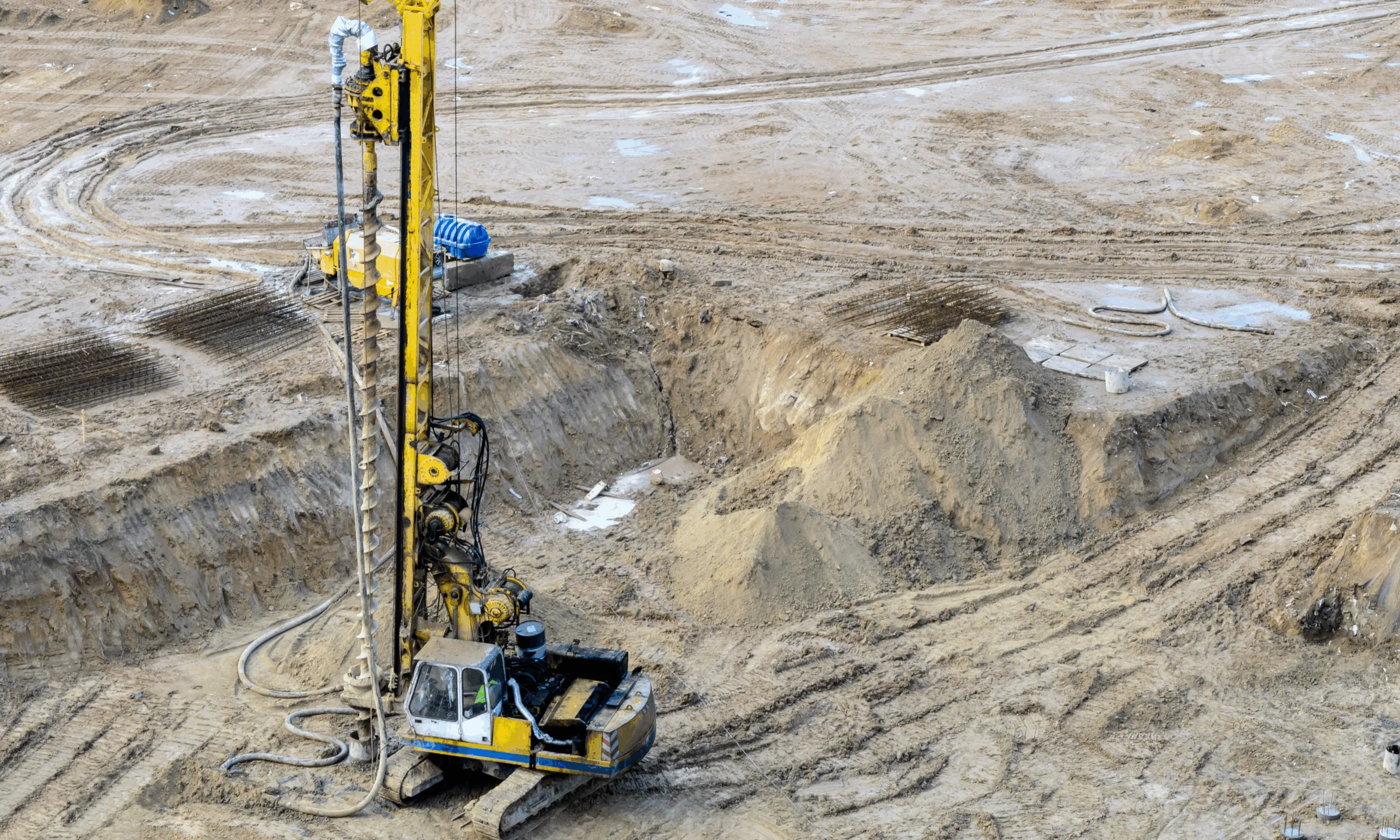
Jet grouting is a versatile ground improvement method that involves injecting high-pressure grout into the soil to form a solidified mass. This technique is widely used to stabilise weak soils, prevent water ingress, and strengthen foundations for construction or drilling projects.
Key benefits of jet grouting:
- Effective for loose, granular, or water-saturated soils
- Provides strong and uniform soil reinforcement
- Allows precise control over the treatment area
- Minimises the risk of settlement during construction
Jet grouting is ideal for complex ground conditions or projects requiring high precision and durability. It is commonly applied in foundation reinforcement, tunnelling, and deep excavation projects.
Understanding casing advancing
Casing advancing, also known as cased drilling, involves installing a steel casing as the drilling progresses. This method protects the borehole walls from collapsing and prevents groundwater or loose material from entering the hole.
Key benefits of casing advancing:
- Suitable for unstable or collapsing soils
- Provides immediate support to the borehole
- Minimises downtime and equipment wear
- Can be combined with other ground improvement methods
Casing advancing is particularly useful for projects where soil stability is a major concern, such as deep wells, tunnelling, or challenging urban construction sites.
Jet grouting vs. casing advancing: A technical comparison
When choosing between jet grouting and casing advancing, several factors come into play:
| Feature | Jet grouting | Casing advancing |
|---|---|---|
| Soil type | Loose, water-saturated, variable | Unstable or collapsing soils |
| Structural support | Reinforces and solidifies soil | Provides temporary borehole support |
| Application | Deep foundations, excavation, tunnelling | Borehole protection during drilling |
| Precision | High | Moderate |
| Speed | Slower due to grouting process | Faster advancement possible |
Choosing the right ground engineering solution
The choice between jet grouting and casing advancing depends on project-specific requirements:
- Use jet grouting for soil stabilisation, foundation reinforcement, and projects requiring long-term structural strength.
- Use casing advancing for immediate borehole stability, rapid installation, and situations where soil collapse is a major risk.
Consulting with ground engineering specialists ensures that the chosen method fits your project conditions, budget, and timeline. Combining both techniques can also be effective on complex sites, leveraging the strengths of each method.
Both jet grouting and casing advancing are essential tools in the ground engineering toolkit. By understanding their capabilities and limitations, you can select the right method to enhance safety, efficiency, and project outcomes. Choosing the appropriate ground engineering solution is key to minimising risks and ensuring long-term success. At Wassara, we specialise in innovative drilling and ground engineering solutions designed to tackle even the most challenging conditions.
With our advanced equipment, technical expertise, and commitment to efficiency, we help professionals achieve safer, faster, and more reliable project outcomes. Explore our full range of solutions at wassara.com and stay connected for industry insights, updates, and innovations on our LinkedIn page.