Comparing piston hammers and DTH hammers: Which one fits your project?
When choosing the right hammer for your drilling project, understanding the DTH hammer vs piston hammer debate is crucial. Both types of hammers offer distinct advantages depending on the project requirements, rock conditions, and drilling depth. In this technical comparison, we will break down the key features, benefits, and considerations to help you make the best choice for your project.
Understanding piston hammers
Piston hammers, also known as percussive hammers, are commonly used in applications that require high impact and low air consumption. These hammers operate by using compressed air to drive a piston that strikes the drill bit. They are well-suited for soft to medium rock formations and are a popular choice for applications such as quarrying and construction.
Key benefits of piston hammers:
- Lower air consumption compared to other hammer types.
- Effective for shallow to medium-depth drilling.
- Durable and reliable for light to medium-duty applications.
The role of DTH hammers in drilling projects
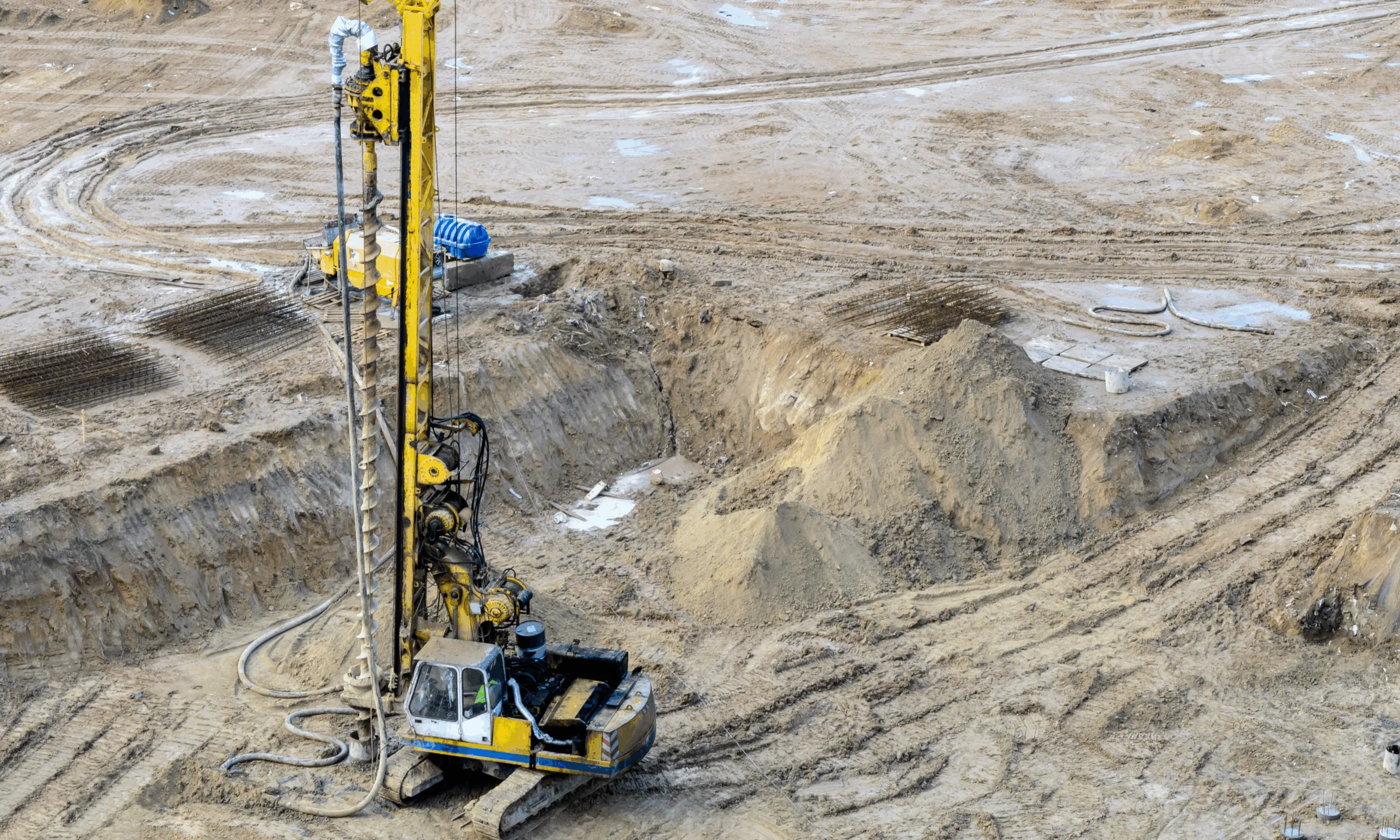
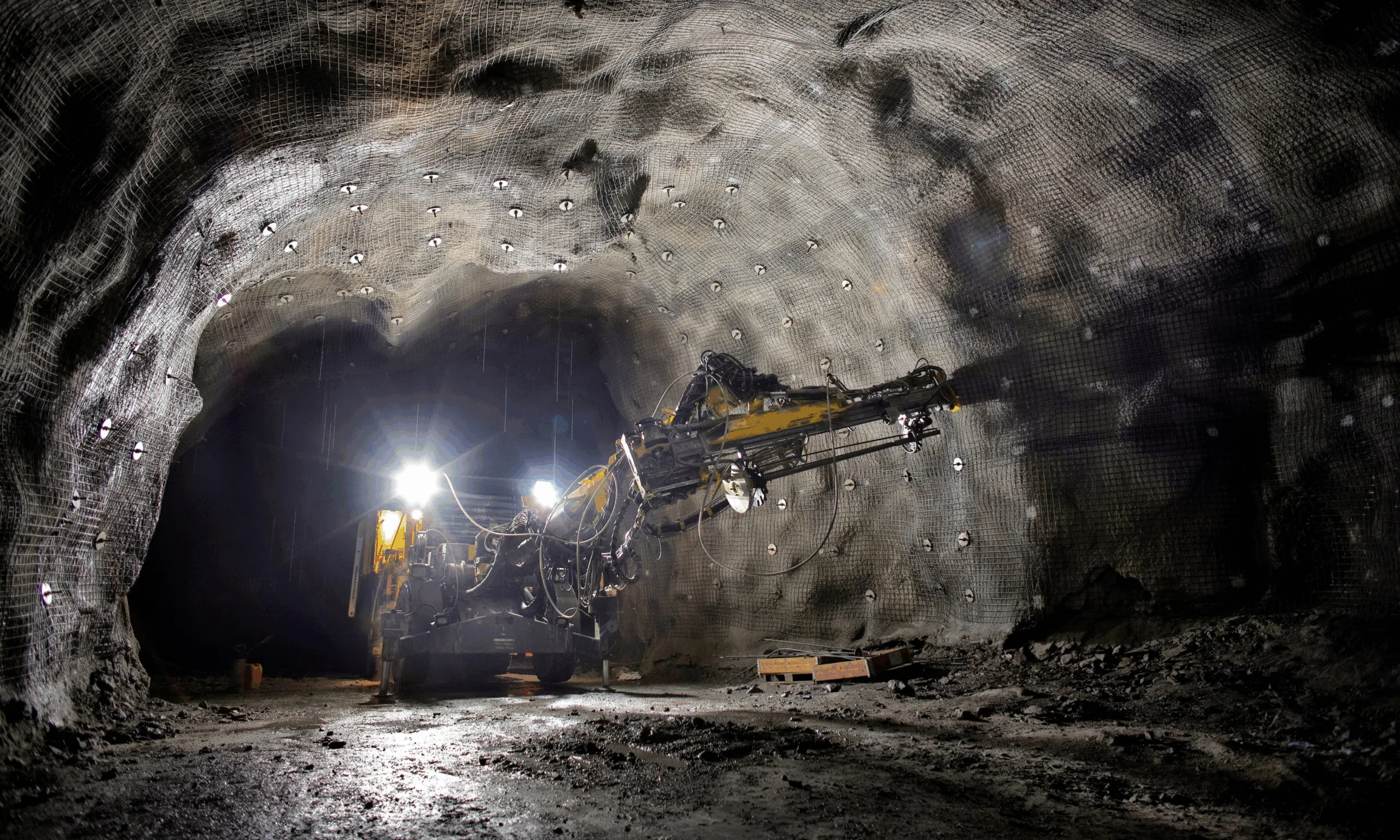
In contrast, DTH (Down-The-Hole) hammers are designed to deliver high-energy impacts directly to the drill bit. They are often used for deeper drilling and can penetrate hard rock formations with greater efficiency. DTH hammers are ideal for demanding drilling tasks such as mineral exploration, geothermal drilling, and water well drilling.
Key benefits of DTH hammers:
- Capable of reaching deeper drilling depths.
- Superior performance in hard rock formations.
- High efficiency with minimal air consumption at depth.
Technical comparison: DTH hammer vs piston hammer
When deciding between a DTH hammer vs piston hammer, the primary considerations are typically drilling depth, rock hardness, and the type of project. Here’s a quick technical comparison to help clarify which option is best suited to your needs:
| Feature | Piston hammer | DTH hammer |
|---|---|---|
| Drilling depth | Shallow to medium | Deep (up to 200 meters) |
| Rock hardness | Soft to medium | Hard to very hard |
| Air consumption | Lower | Higher at depth |
| Energy delivery | Moderate impact | High impact |
| Maintenance | Easier and less frequent | Requires more care |
Which hammer is right for your project?
Choosing the right hammer depends on several factors, including drilling depth, rock type, and overall project goals. If your project requires deep penetration into hard rock formations, the DTH hammer is the clear choice. For lighter applications with less demanding conditions, the piston hammer could be a more cost-effective option.
Buyer support: Making an informed decision
When purchasing either type of hammer, it’s important to consider additional factors such as compatibility with your existing equipment, maintenance requirements, and warranty. Having access to buyer support from experienced professionals can help you select the right hammer that fits both your project needs and budget.
Both DTH hammers and piston hammers offer distinct advantages depending on the project requirements. By understanding the differences in performance and application, you can make an informed decision that will lead to greater efficiency and cost-effectiveness on your job site. For additional guidance, be sure to reach out to our technical support team for expert advice and buyer support. At Wassara, we specialise in innovative drilling and ground engineering solutions designed to tackle even the most challenging conditions.
With our advanced equipment, technical expertise, and commitment to efficiency, we help professionals achieve safer, faster, and more reliable project outcomes. Explore our full range of solutions at wassara.com and stay connected for industry insights, updates, and innovations on our LinkedIn page.